
In Ocala, Florida, a vehicle can face intense sun, sudden summer rain, dusty rural roads, highway debris, insects, and long stretches of heat that test both its appearance and daily comfort. Choosing upgrades with these local conditions in mind helps drivers protect their investment without adding products they do not truly need.
For owners who want a finish that is easier to maintain through Central Florida’s changing weather, ceramic coating for cars in Ocala, FL can be part of a broader plan that includes heat control, paint protection, and consistent washing habits. The right combination of protection and routine care can help keep a vehicle looking cleaner and better maintained over time.
Table of Contents
Why Protection Matters for Ocala Vehicles
Ocala drivers may move between city streets, I-75 commutes, parking lots with little shade, and unpaved roads near horse farms or construction areas. That combination exposes paint and glass to abrasive grit, bug residue, water spots, ultraviolet light, and heat buildup. Over time, the effects can include faded exterior trim, dull paint, cracked interior surfaces, stained upholstery, uncomfortable glare, and an overworked air-conditioning system.
The right solution depends on how and where the vehicle is used. A daily commuter parked outdoors has different priorities than a weekend truck traveling on rural roads, or a newer SUV equipped with cameras, driver-assistance sensors, a panoramic roof, and large digital displays. Plan around the problems you experience most often, then select products that work safely with the vehicle’s factory equipment.
Drivers searching for automotive ceramic coating near me should begin by identifying whether they want easier cleaning, stronger gloss, reduced staining, or protection in high-impact areas. A coating is valuable in the right role, but it is not a substitute for every type of protection.
Start With Your Driving Goals
A practical upgrade plan usually starts with one or two clear objectives instead of a long list of accessories. Consider the following priorities:
- Reduce cabin heat: Window film and windshield sunshades can make parked vehicles more manageable during hot Ocala afternoons.
- Cut glare: Choose a film that enhances comfort while preserving clear visibility.
- Protect paint: Paint protection film is designed for areas exposed to physical road wear.
- Simplify cleaning: A properly prepared coating can help contaminants release more easily during washes.
- Change the appearance: Wraps, graphics, wheels, and trim can personalize a vehicle when fit and maintenance are considered first.
Choosing Window Film for Florida Heat
Window film is often one of the most useful comfort upgrades for driving in Florida, but darker is not automatically better. Dyed film is commonly selected for appearance and basic glare reduction. Metalized film may assist with heat control, although its metallic construction can interfere with certain signals. Carbon film can offer a rich dark finish with good fade resistance, while ceramic film is frequently chosen for heat rejection, clarity, and nonmetallic signal compatibility.
Compare visible light transmission, glare reduction, ultraviolet performance, infrared heat control, warranty terms, and the way the film interacts with factory-tinted glass. Drivers can use automotive window film guidance to better understand why visible light transmission and local legal requirements should be part of the decision, not an afterthought.
When Paint Protection Film Makes Sense
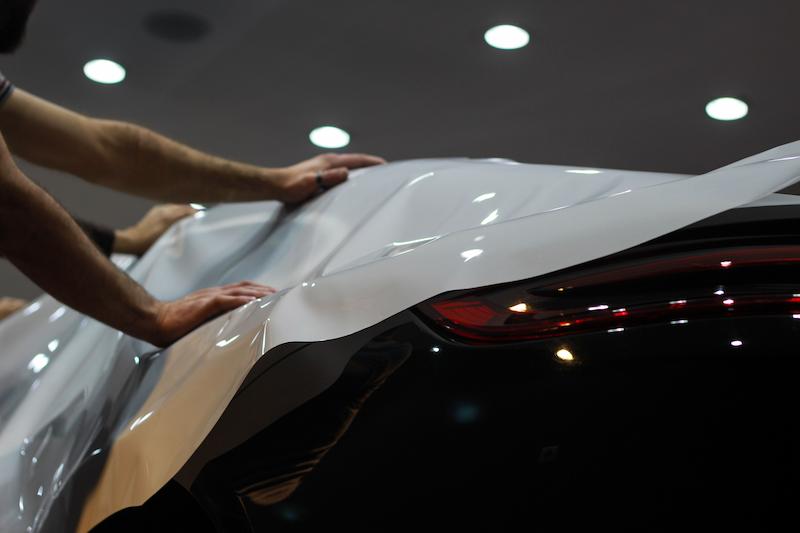
Paint protection film, often called PPF, is a clear urethane film applied to painted panels that are subject to frequent physical abuse. In Ocala, front bumpers, leading edges of the hood, mirrors, fenders, rocker panels, and lower doors can be especially vulnerable to gravel, sand, insects, and debris thrown up by traffic.
Partial-front coverage can be a sensible choice for many daily drivers because it focuses spending on the highest-risk panels. Full-vehicle coverage may be more appropriate for long-term owners, luxury vehicles, freshly purchased cars, or vehicles that regularly travel at highway speeds. PPF can reduce the likelihood of chips and scuffs, but it cannot prevent every scratch, dent, collision, repair, or damage caused by neglected washing.
What Ceramic Coatings Can and Cannot Do
Ceramic coatings create a protective surface layer that can enhance gloss and make water, dirt, bug residue, and light contamination easier to remove. The best results start with thorough washing, decontamination, and paint correction when needed. In other words, preparation often determines how refined the finish looks once the coating is applied.
A coating does not provide the impact resistance of paint protection film. It still needs regular washing, gentle drying, and timely removal of bird droppings or tree sap. For many Ocala owners, the most balanced approach is PPF on vulnerable front-facing areas and a coating on the remaining painted surfaces.
Balancing Protection and Styling
Protection and style can work together when installations follow a thoughtful order. Apply paint correction and protection before adding appearance-focused upgrades such as vinyl wraps, graphics, badges, or accent pieces. Wheel and tire changes also deserve careful consideration because they can affect ride quality, braking, clearance, handling, and replacement costs on uneven roads.
Lighting, audio, security systems, and electronics may improve daily use, but installers should account for power demands, trim removal, sensor placement, camera views, and warranty requirements. A clean installation is as important as the accessory itself.
Checking Florida Tint Rules Before Installation
Florida tint rules vary by window position and vehicle type, so confirm compliance before choosing a shade. For example, the state’s restrictions on front side-window sunscreening material require at least 28 percent visible-light transmittance when tested on the specific vehicle, along with a visible-light reflectance limit. Factory glass affects the final reading, so the film rating alone is not enough.
Ask the installer whether the selected film will meet the applicable measurement after installation, whether a compliance label is supplied, and what paperwork should be retained for any qualifying exemption. Never rely solely on a shade description or a photograph when legal visibility is involved.
Comparing Installation Providers
Before booking, ask what brand and type of material will be used, how surfaces will be prepared, how long curing takes, and what the written warranty covers. Review recent work for clean film edges, consistent panel alignment, and tidy interiors. It is also wise to ask how cameras, defroster lines, sensors, trims, and delicate dashboard materials will be handled.
Maintenance and Budget Planning
Use clean microfiber towels, mild automotive soap, and soft wash tools. Avoid ammonia-based glass cleaners on window film, wait the recommended period before lowering treated windows, and inspect film edges or high-wear areas during routine washes. Remove insects, sap, and bird droppings promptly, especially after a hot day.
Conclusion
For an efficient Ocala upgrade plan, begin with legal high-clarity window film for comfort, add PPF where road debris is most likely to strike, and consider a ceramic coating after the paint is properly prepared. The best results come from upgrades that solve a real local driving problem, suit the owner’s budget, and are consistently maintainable.
